
By Kadija Ollow, Digital Engagement Officer
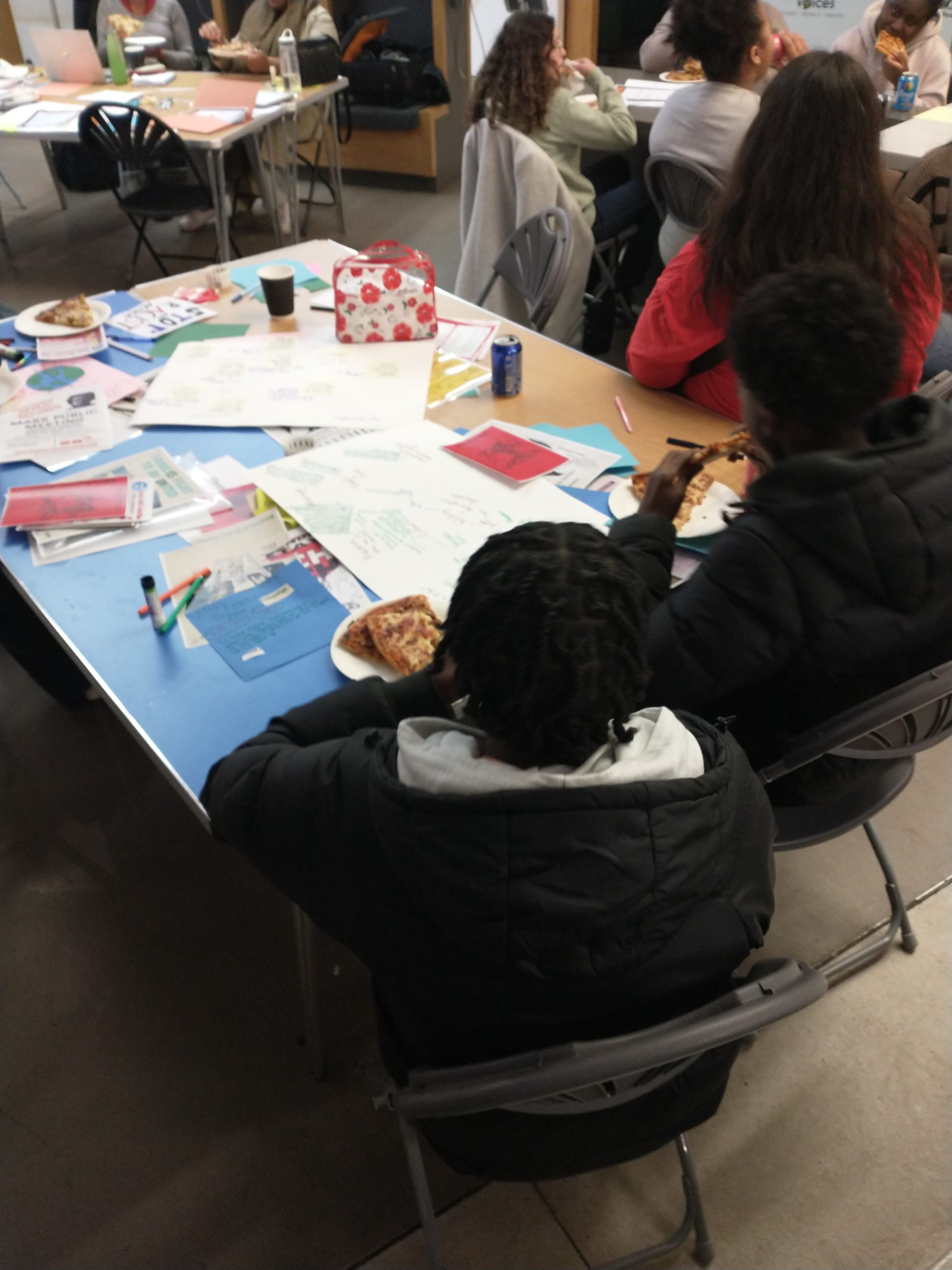
At our recent Your Voice, Your Education: Shaping Inclusive Educational Resources workshop, we invited young people aged 12 to 18 to spend an afternoon exploring and testing our new educational resources. These resources are aimed for educators to use in their educational settings, whether that’s a community centre, supplementary school, youth club or mainstream school.
The resources are themed and titled as below:
- Activism through Poster Design
- Community Profiles
- Understanding Activism through Local Figures.
- Media and Reporting
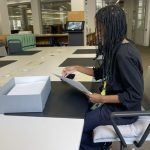
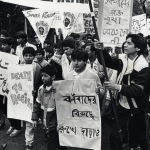
The resources use creative approaches to explore materials from our collections that document the lived experiences, activism, cultures and histories of Global Majority communities in Greater Manchester.
The workshop was designed to offer something different from traditional classroom learning. Rather than approaching history as distant or abstract, we wanted young people to engage with local stories, voices and materials that reflect themselves and the city they live in.
More importantly we wanted young people to share their thoughts on what inclusive education should look like and to help shape youth-led recommendations that will guide how these resources are developed.
Discussions about inclusive education often points to the need for structural changes within schools. Changes that require national and government level action, time and funding that educators may not always have. But young people repeatedly showed us that meaningful change can also begin with what is taught and how it is taught. They told us that engaging, locally rooted materials help them feel more confident, connected and seen. The stories in our archive are not static objects behind glass; they are living, breathing accounts of Manchester’s Global Majority communities, and young people are asking for these histories to be part of their learning.
A strong message emerged around the need for broader, more diverse histories. Young people expressed a clear desire to learn about a wider range of histories which tell the stories of communities that are often overlooked in mainstream education. They asked for more specificity, more local stories and fewer simplified narratives. This mirrors what we have heard in earlier consultations and reinforces the importance of moving beyond repeated or narrow accounts of history to better reflect the diversity of today’s classrooms.
A forthcoming report will share the full findings of the workshop, expanding on the young people’s key messages alongside reflections and themes that educators may find useful as they consider how to embed these insights into their teaching. We will share further updates in the New Year, please keep up to date via our website and social media channels for more news.