Preparations for the Cheetham Cultural Festival (CCF) started in June with a joint session with Faith Network for Manchester and The John Rylands Library. We hosted previous attendees of the Faith in the Arts sessions to join us in selecting items from our collections highlighting local Global Majority histories, traditions, cultures and experiences. The items explored included themes around Cheetham Hill, campaigning, wedding traditions, places of worship and religious festivals.
Following introductions and providing contextual information on each item, attendees shared what they felt was most important to highlight and display at the CCF. Once the selections were made by the group, we asked two Year 10 work experience students Theresa and Isabelle for their input. During their week with us they also spent a day at the John Rylands Library and took along the refined selected materials to a discussion along with another student on what the final selection should be and what they would want to see in a creative workshop for Year 10 students.
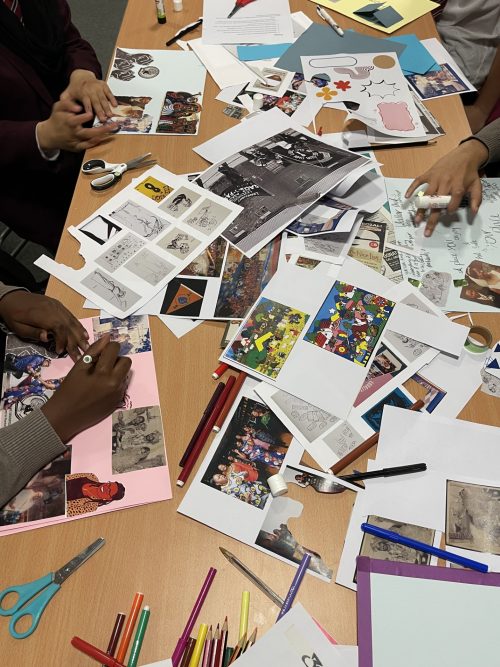
Taking all the feedback into consideration, we designed an Introduction to Archives and Zine Making Workshop for Year 10 Abraham Moss students using the items from collections that were selected. The workshop took place on the 8th of October, with the aim to create a display that would highlight local Global Majority communities’ histories and experiences and capture the voices of young people. You can read the blog on the workshop including the zine here.
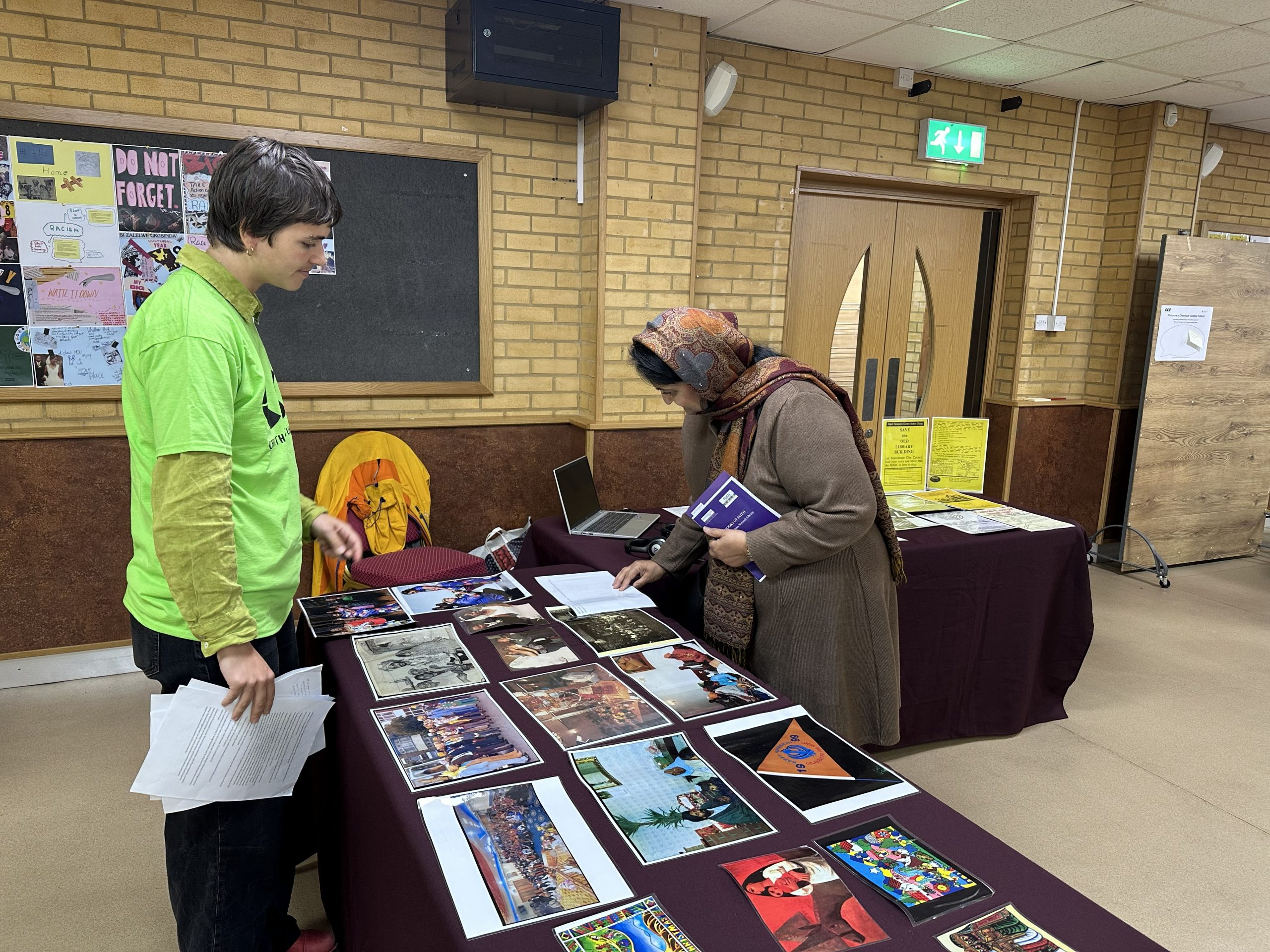
The following week, on the 15th of October, it was time for the Cheetham Cultural Festival. We headed to Khizra Mosque who generously hosted us in their community hall and set up our displays. We included an image of the Save the Old Library Building created by The Manchester Black Resource Centre. Throughout the day, community members looked at the map and recalled other buildings around Cheetham Hill that have been demolished, those that have been saved and developed as well as the changes the area has seen, both deemed good and bad for the local community.
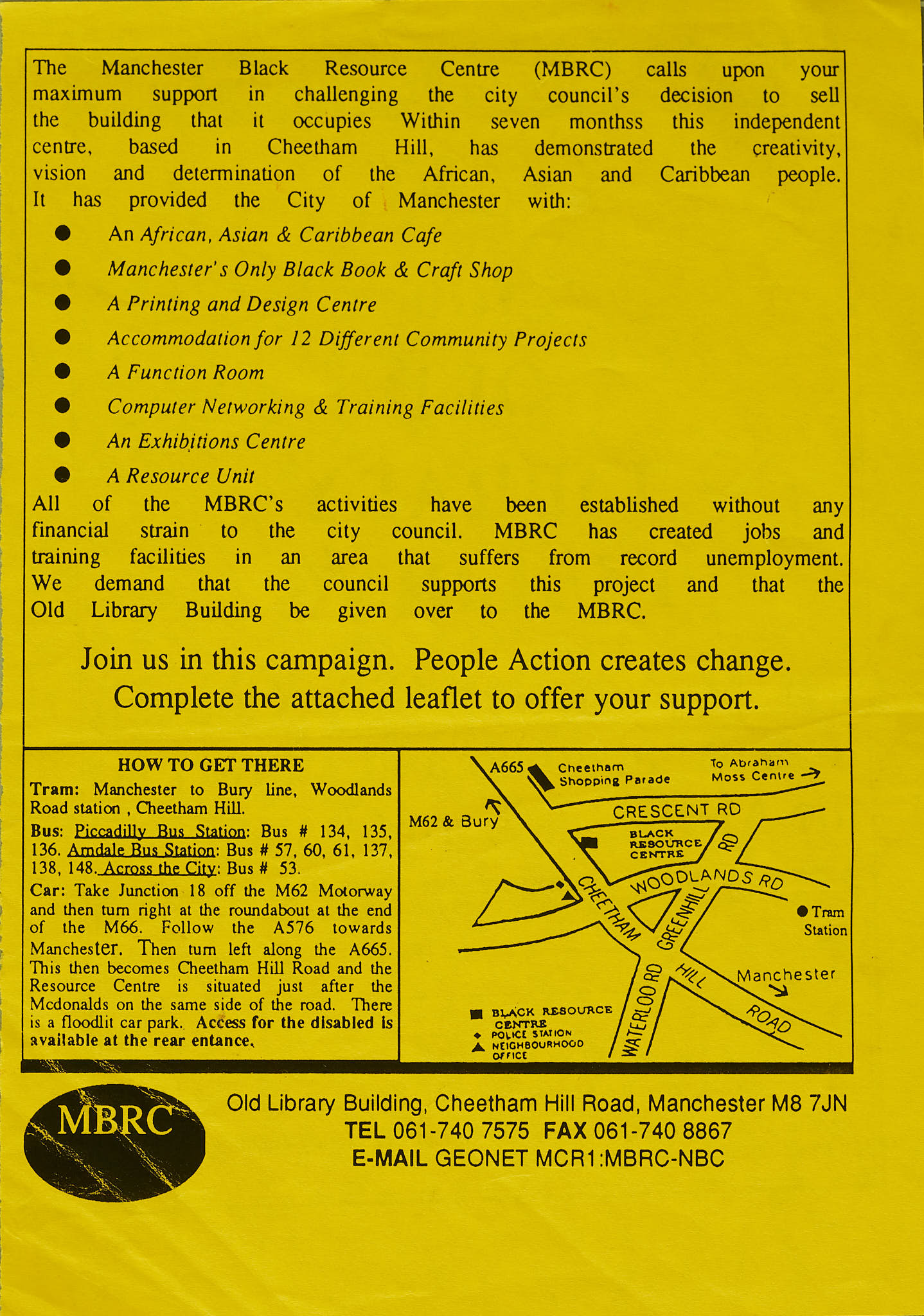
GB3228.13/1/13, Marilyn Cuffy papers, Papers of Manchester Black Resource Centre and Community Trust, 1990s, Ahmed Iqbal Ullah RACE Centre
The theme around campaigning incorporated items from the Viraj Mendis Defence Campaign. On December 20, 1986,Sri Lankan communist Viraj Mendis entered the Church of the Ascension in Hulme and took up sanctuary. Over the next 760 days, the Church would serve as Mendis’ refuge against the imminent threat of deportation as well as a model of the potential power of sanctuary as a tactic for other anti-deportation battles.
One of the items included in the display was a pamphlet produced by the Religious Support Group that covers religious teachings, how they can be applied to supporting your neighbours and not looking the other way. The pamphlet also details the teachings and actions of Jesus, common misconceptions and questions people had around the campaign and what people could actively do to help.
GB3228.28/1/46, Archive of Steve Cohen, Viraj Mendis, ‘Jesus Died For All’, Pamphlet produced by the Religious Support Group of the Viraj Mendis Defence Campaign, 1980’s-1990’s, Ahmed Iqbal Ullah RACE Centre
Other items from the Viraj Mendis campaign that were selected were pages of lyrics to songs that were used during protest with attendees sharing how they could recall some of the songs. To learn more about Viraj and the campaign, read more here.
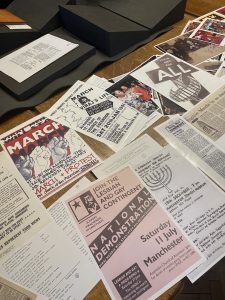
To further highlight how communities came together to campaign and support refugees and immigrants, we included a poster created by the American Jewish Sanctuary Movement for refugees.
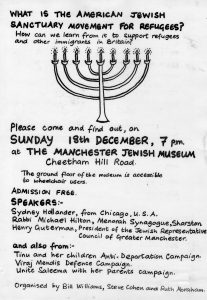
GB3228.28, Steve Cohen Collection, Poster for an American Jewish Sanctuary Movement for Refugees event in Manchester, Ahmed Iqbal Ullah RACE Centre
Many of the items in our collections also evoke happiness and joy which community members welcomed. The display included photographs of weddings from Sikhi, Muslim and Christian communities. Despite the difference in faith all encompass their own traditions of celebrating love.
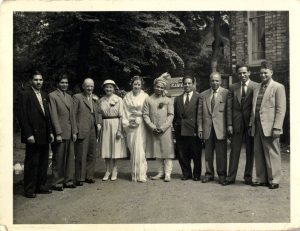
GB3228.76/2/2, Malik Bakht Archive, Photographs of Malik Bakht and Yvonne wedding at the old Mosque, (Victoria Park Mosque), 12 April 1959, Ahmed Iqbal Ullah RACE Centre
The image of Malik and Yvonne’s wedding at Victoria Park Mosque sparked conversations around the development of places of worship. Malik was a founder and Trustee for the Mosque from 1947. The Mosque originally began as two adjacent houses in the late 1940’s which were later demolished, and the Mosque took its form with several expansions and modifications taking place over the years resulting into the Mosque we see today. Attendees shared similarities to the development of Khizra Mosque and how other places of worship across faiths in Manchester have been developed over the years.
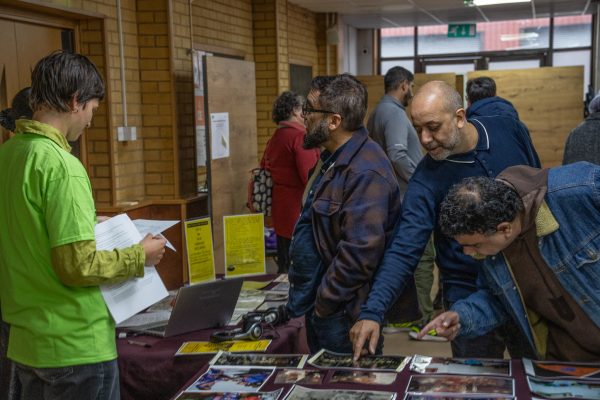
Photograph courtesy of Chris Payne
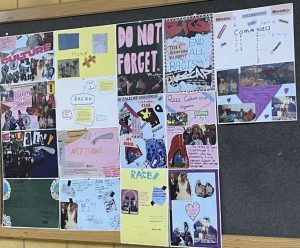
Similarly, the theme of religious festivals captures these emotions as well. One of the highlights for attendees was seeing the Christmas Cards (GB3228. 61) from different countries and how culture influences outlook on religion. In a page titled ‘Race, Culture and Difference’ created by a Year 10 Abraham Moss School student, they explored this by using images of the Christmas Cards, highlighting the clothes in the image, the uniqueness of cultures and writing that “The story of Jesus is portrayed in a different way by presenting it in a different culture so the same race can feel recognised.” The overall Zine created by the students was greeted with pleasure by many, highlighting the importance of including young people as part of community voices and that their perspectives are crucial.
The display also included a laptop with clips from oral history interviews that explore life in Cheetham Hill, wedding traditions, community, culture, religion and how festivals are celebrated. You can listen to the Soundcloud album here.
One of the activities that took place at the workshop during the Introduction to Archives and Zine Making Workshop with Abraham Moss High School was around Places, Memory, and the Meaning of Belonging to reflect on the significance of the everyday and to recognise the value it holds. This was extended to the CCF where we included the statement ‘Memories of Cheetham Hill’, where attendees could add their memories. The responses included recollections of communities’ experiences of Cheetham Hill and their memories.
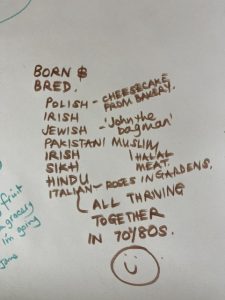
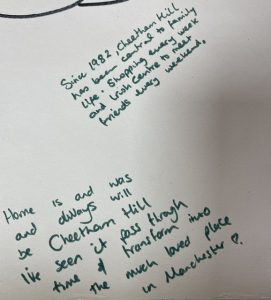
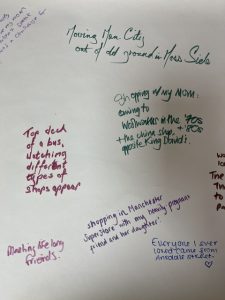
We would like to thank everyone who contributed to bringing the day to fruition! The responses have been fantastic with attendees mentioning that they would encourage family, friends and social groups to arrange visits. The feedback from the planning group post-event was also encouraging with a continuation of sharing the special moments of the event, emphasising the memories of Cheetham Hill. The most important take-away for us is that the group expressed that “The idea that everything belongs to the people of Manchester [came] as a surprise but now want to build on that notion… including involving secondary schools and older teenagers in the treasures of the libraries.”
We will leave you with some responses to the question:
How does our Festival bring communities together?
“Good to know about our little bit of history.”
“Seeing how we are all the same – only different.”
“A big part of my year.”
“Good to get the chance to talk to different people.”
“Khizra Mosque is a place of hope for everyone in Cheetham. So good to have events here.”