
Written by Seleena Daye
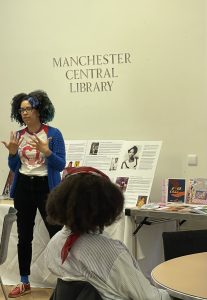
When I was asked to facilitate a zine making workshop, Voices in Print: Women Making a Zine, as part of the Ahmed Iqbal Ullah RACE Centre and Education Trust’s International Women’s Day celebrations, inspired by the Marilyn Cuffy collection, I jumped at the chance.
I am a retail worker and textile artist, based in North Manchester, who has also been making zines for over 25 years. My work is mostly based around race, class and gender along with the ethos that art is for everybody and we should all have space to create. So, I knew it was going to be a fun and inspiring session.
I hadn’t heard of Marilyn Cuffy prior to delivering the workshop, but I was able to visit the archive and look at some material in the collection to have more of an insight into Marilyn and her work.
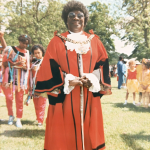
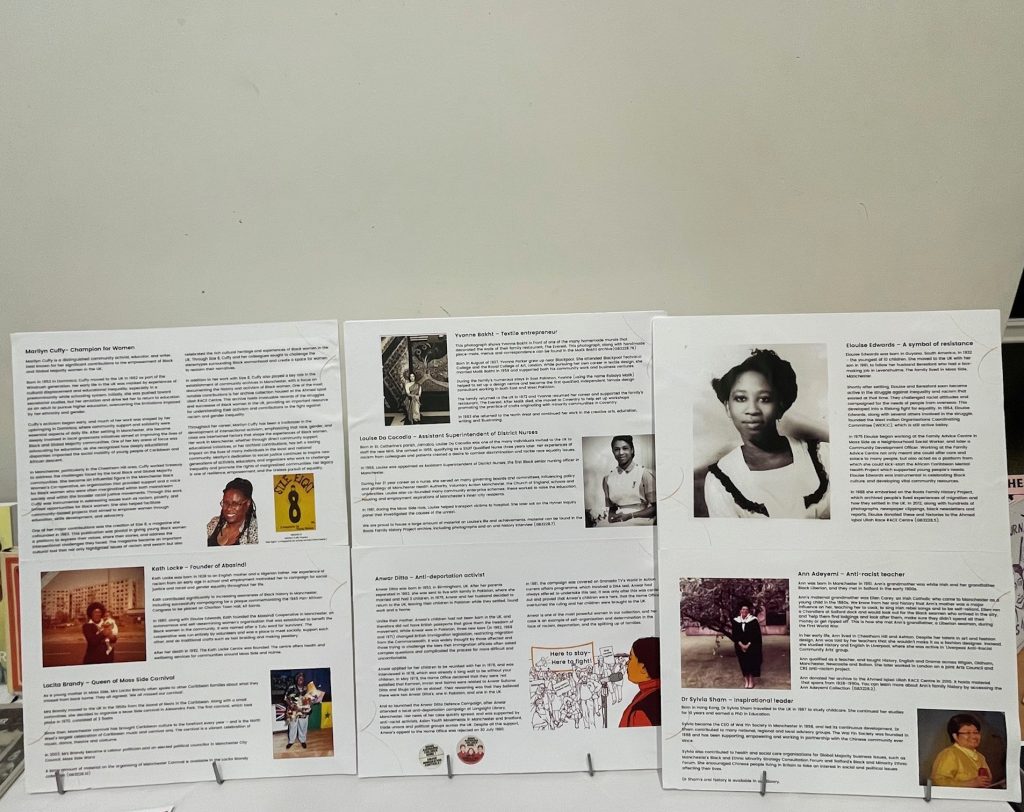
Marilyn is an activist, educator and writer, from Dominica who moved to the UK in 1962 as part of the Windrush Generation. Later settling in Manchester, her work addressed challenges faced by the local Black and Global Majority communities, particularly in the North in the Cheetham Hill area. The collection consisted of everything from minutes from meetings to reports, literature for community groups to posters for campaigns. With themes around race, migration, wellbeing of older and younger communities, disability, family and much more. You can read Marilyn’s full profile in the Understanding Activism Through Local Figures Educational Resource.
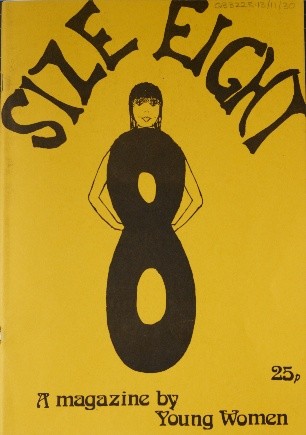
There was one piece from the collection that the workshop was to be heavily inspired by and that was Size 8 magazine. Size 8 was co-founded by Marilyn in 1983, it was created to give young Black women a platform to express their voices, share their stories and address the intersectional challenges they faced. What I noticed as I looked through the pages of Size 8 was that a lot of what the women were writing about are issues that still affect women today, and that this was something we could focus on within the workshop.
Looking through the collection made it so much easier coming up with themes for the workshop outside of celebrating women and their achievements. The main themes I got from the collection were intersectionality: a lot of Marilyn’s work spoke about the issues and discrimination Black communities faced, and how they overlap with issues faced by women, the working class, LGBTQ+ and disabled communities. Community: the idea that we are stronger together, that collectively we can achieve more and help each other out and hope: even though the issues faced 30 or 40 years ago are still prevalent today, by working collectively and thinking intersectionally you can make a difference.
With those themes in mind, we decided it would be better to create a collective zine in the workshop instead of individual zines. I would then collate them into one zine that was a snapshot of everyone’s reaction to the themes.
The workshop itself was a chill and safe space. To get everyone feeling inspired we had a display highlighting women in the archive who have done great work locally, we laid out some books, and I brought some zines from my personal collection, focussing on collective zines.
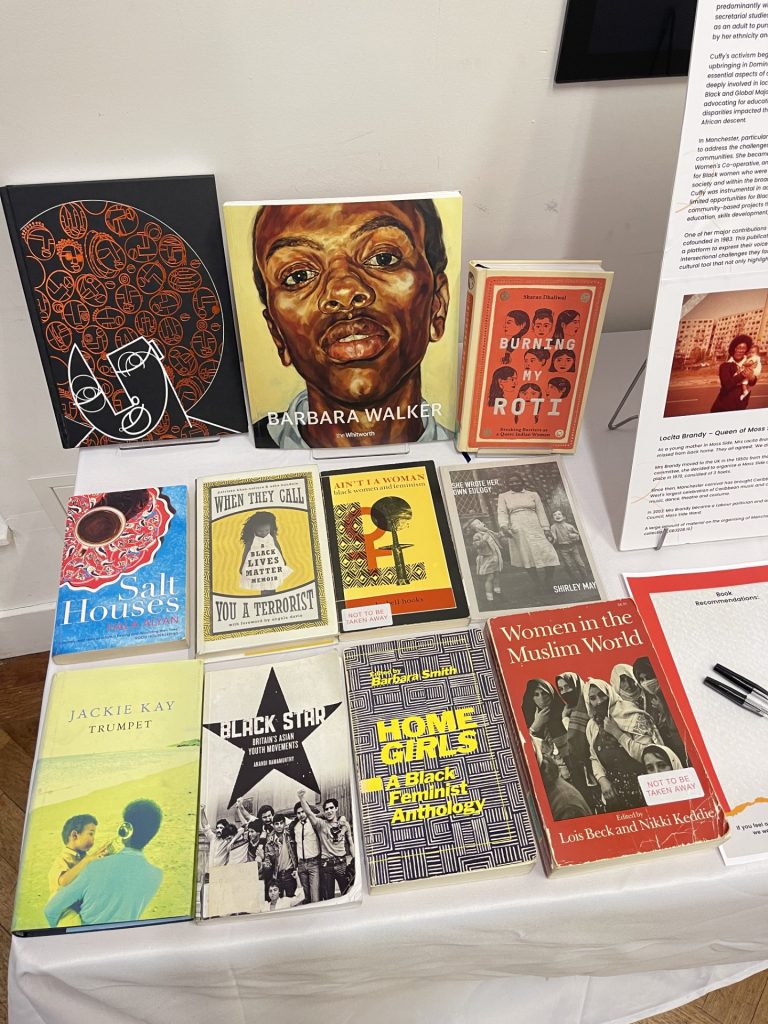
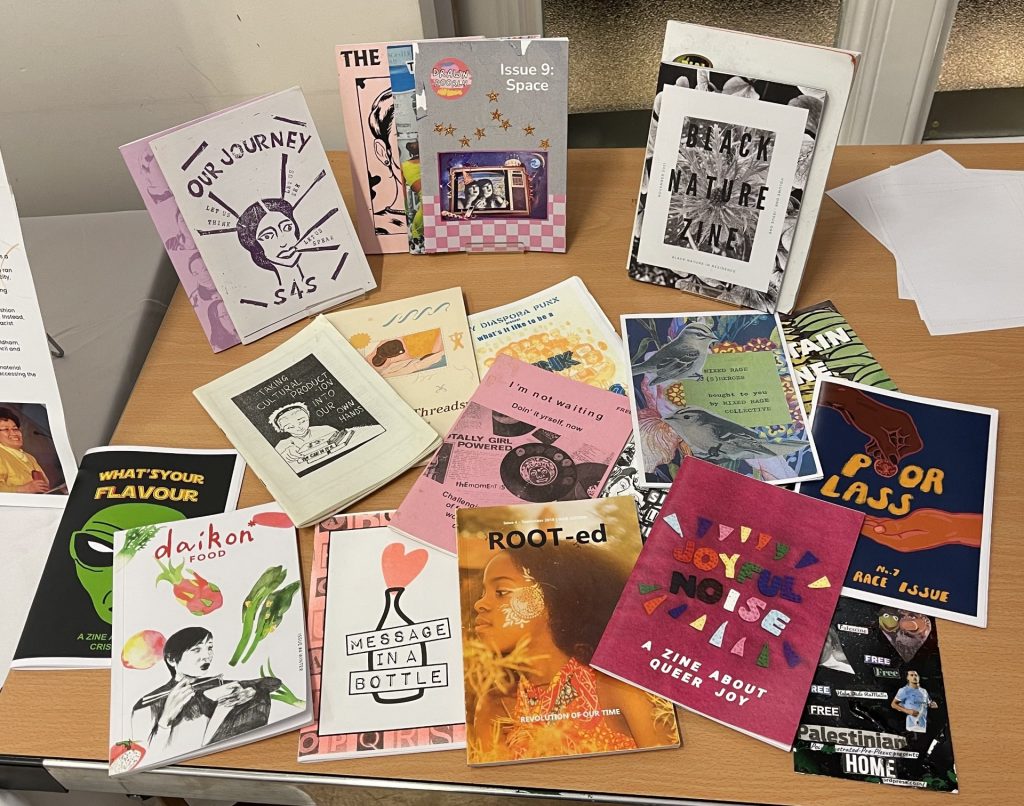
I gave a brief history on zines and why they are a great tool for marginalised voices to share their story, I spoke about looking through the Marilyn Cuffy collection and in particular Size 8 and gave some prompts around the themes of intersectionality, community, hope and inspiration. Throughout the workshop we all shared ideas as people wrote, drew, and collated their pages. We ate, we chatted, we laughed, we ranted but most importantly we had a sense of hope.
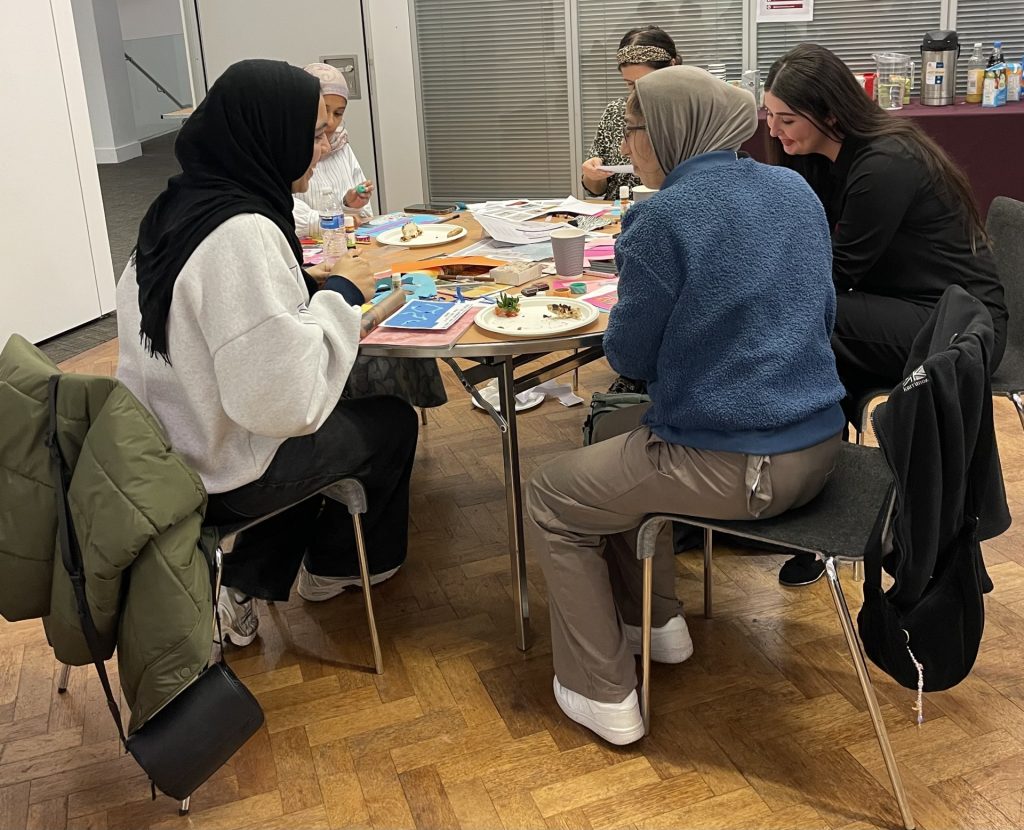
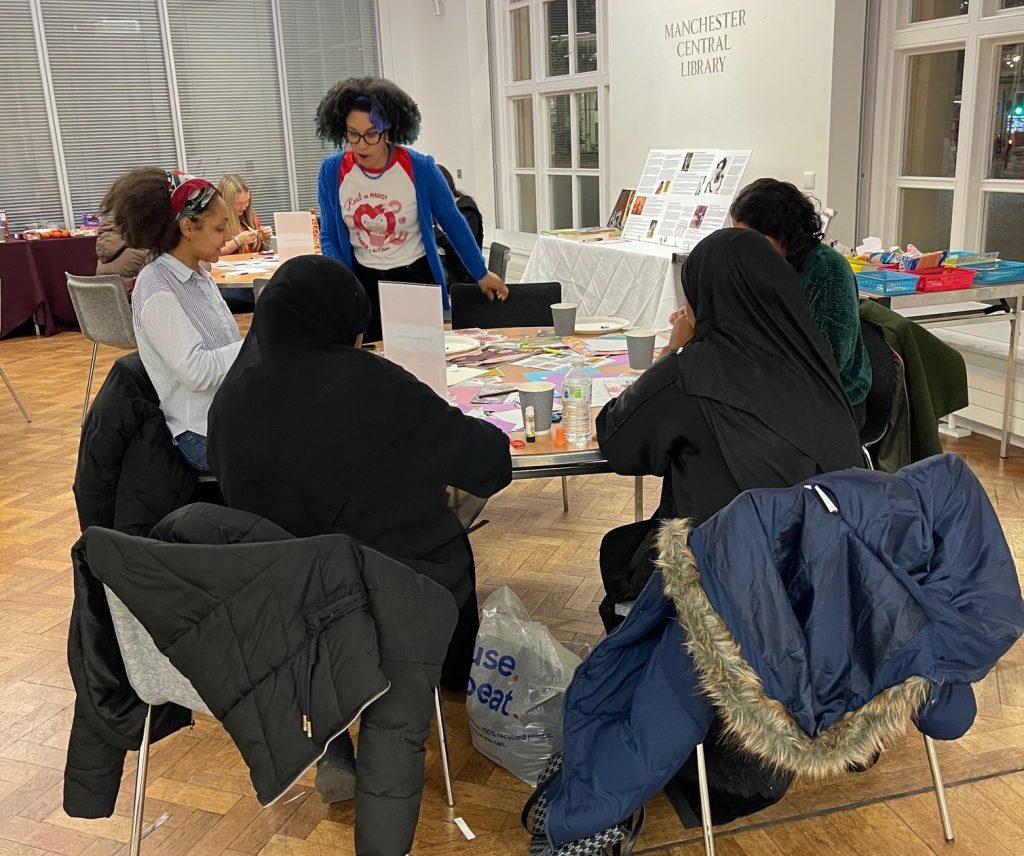
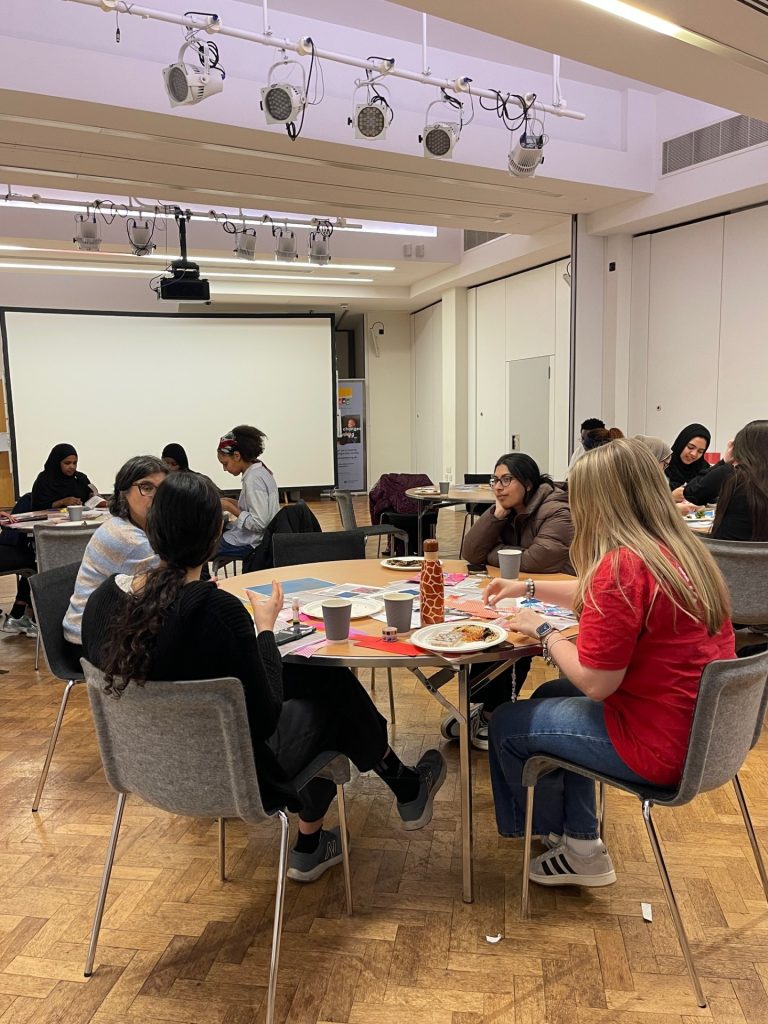
We ended the evening by writing to our past, present and future selves. A time for reflection and hope for what’s to come and how to achieve it. I left the workshop full of joy and ideas (which I so often do when I’ve been in a creative space, sharing ideas) and ready to collate the zine.
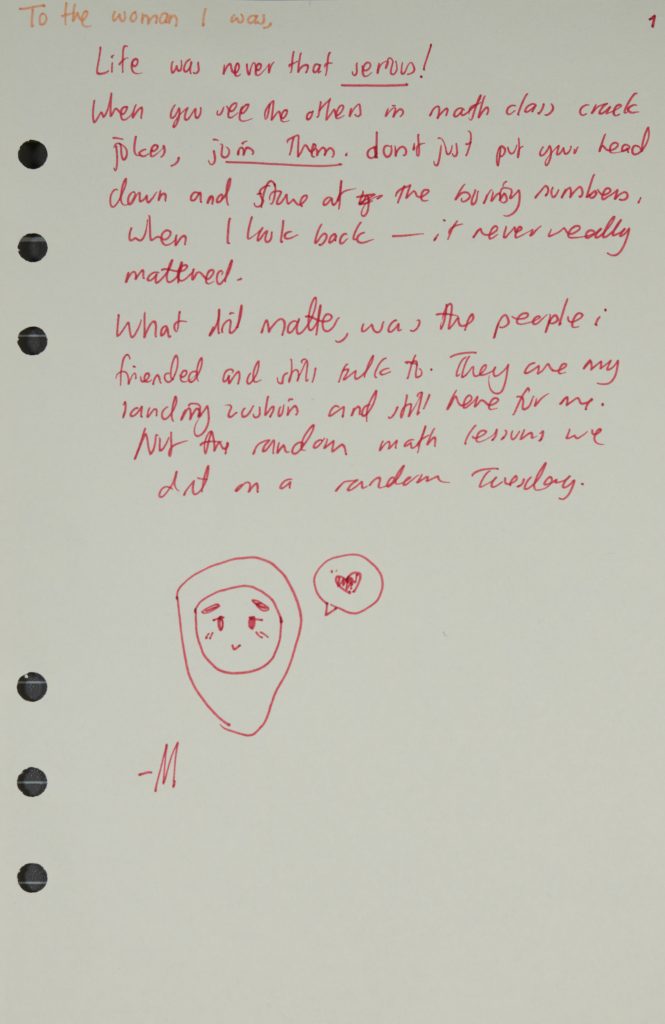
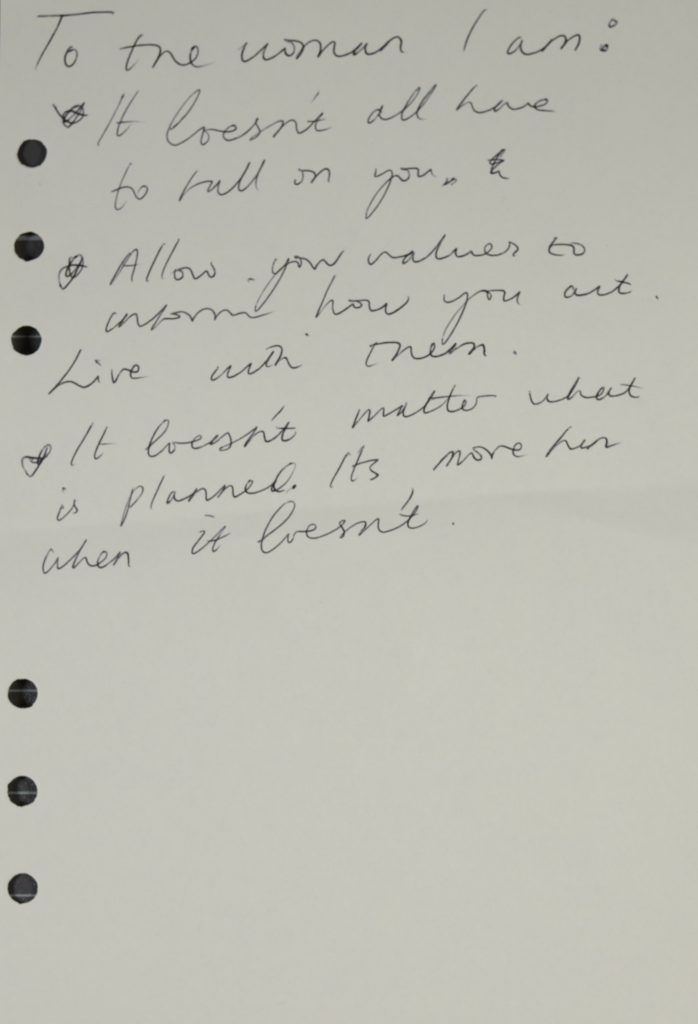
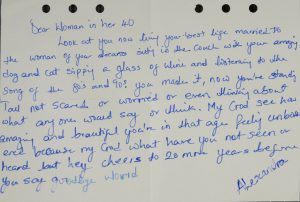
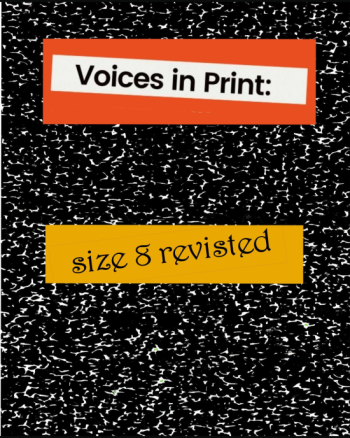
I scanned all the pages in and arranged them, trying to mix in written work with imagery in the hopes to convey that even though some of the topics we discussed at the workshop were difficult, overall, the evening was about coming together and taking time for ourselves. I created the front cover to look like a notebook with stickers on, to capture that feeling of taking notes whenever and wherever we can, a sense of immediacy and informality but also as a nod to how archiving and note taking happened 40 years ago, most likely with pen and paper.
As a group we suggested some names, in the end I kept it simple, Voices in Print (after the workshop title), Size 8 Revisited (after the initial inspiration for the workshop.) You can view the full Voices in Print Size 8 Revisted Zine here.
Perhaps in 40 years’ time, contributors will look back at this zine and reflect on what has changed, if they have changed, and maybe another group of women will come together and create something based on the zine, just like we did 40 years after looking at Size 8. Whatever happens, I am really glad we spent a few hours one evening creating the zine and that participants carry on creating, documenting and archiving their voice for themselves and for future generations.
Note: The Ahmed Iqbal Ullah RACE Centre will be cataloguing the zine and the responses to the prompts and add it to the AIU organisational archive. To learn more about the Marilyn Cuffy collection, contact [email protected]